
A Pro card review — what the virtual card actually does with your money
 Available in US
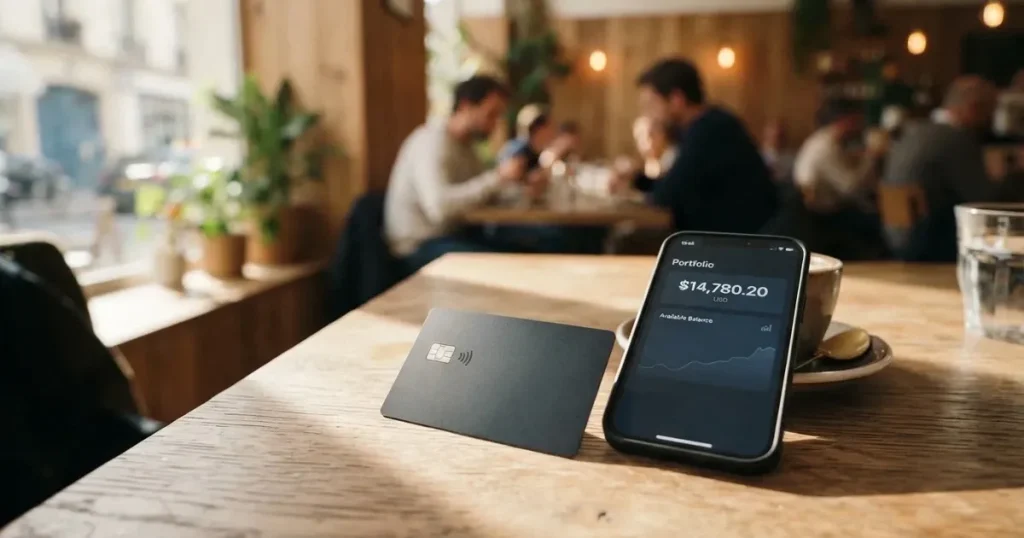
A Pro is a virtual card that Russian clients use to pay abroad: no plastic, a balance in US dollars, top-ups in rubles through SBP, and Apple Pay or Google Pay. That is the promise, and it is a real one — plenty of people need exactly this, because an ordinary foreign bank card is hard to get and a ruble card often fails at a checkout abroad. But the promises stop there. A Pro comes to 3.6 out of 10 on my scale, and the reason is not the card mechanics. It is who stands behind it. The platform operator is CRYPTOBRIDGE, CORP., a company in Panama (Folio Mercantil 155787480), which says itself it is not a bank and not a card issuer; the cards themselves are issued by third-party providers through golden-card.ru. There is no custody arrangement described, no stated licences, and the card’s own pages are thin on exactly the things you would want to read before trusting money with it. On top-up, the pages say 0 USD; on Russian review blogs, from 3.5%. Those two numbers are not compatible, and I cannot tell you which one you will actually pay.
So: who is this for? A Russian client paying abroad with a virtual USD card who knows the counterparty is not a regulated bank, is comfortable with support by email and Telegram rather than by phone to a regulated institution, and can afford to lose the balance if something goes wrong. Who is it not for? Anyone whose money in this card is salary, savings, or the money for a rent payment due next week. Anyone who needs cash. Anyone who needs to pay a large bill once and then close the account. And anyone who needs a card that is definitively a bank account, because this is not one, whatever the logo on it says.
| Criterion | Mark | Why |
|---|---|---|
| Who can get it | 3 / 10 | Issued to clients from Russia, works in 190 countries; no closed-country list, sanctioned persons not served |
| Cost | 4 / 10 | Universal A Pro 5,000 ₽ list, 2,190 ₽ with a promo code; Subscriptions 4,990 ₽, 1,290 ₽ with a promo code; maintenance 0 USD, top-up 0 USD; purchase 0.8 USD on Subscriptions; unofficial: purchase “1 USD + 0.4%”, top-ups from 3.5% |
| Top-up options | 2 / 10 | Rubles via SBP from a Russian bank card, credited to the USD balance; no crypto needed for the card; a separate “Withdraw crypto to card” service exists, terms not shown |
| Reliability and complaints | 4 / 10 | Operator CRYPTOBRIDGE, CORP. (Panama) is neither bank nor issuer; cards issued by third-party providers; partnerkin.com shows about 29 reviews, with complaints about refunds, support, suspected scams and withdrawal-check delays |
| Everyday use | 5 / 10 | Virtual Visa or Mastercard only, issued in about 30 seconds; Apple Pay and Google Pay supported, no ATM |
| Total | 3.6 / 10 |
The conditions described on this page are current as of October 28, 2026.
Will they give you the card
Yes, if you are a client from Russia, and that is the stated audience. The card page says issuance is for clients from Russia, and that the cards work in 190 countries, with the United States and Turkey named specifically. There is no list of blocked countries on those pages, and the terms say persons under sanctions are not served. Read that carefully: it is a promise about the card, not a licence to ignore your own country’s rules.
The terms also require you to confirm yourself that using the card does not break the law of your country of citizenship or residence. That is a line I would read twice if you live somewhere other than Russia. Your address, your citizenship, and the place you actually live may be three different answers to a question the card’s issuer has an opinion about. Singapore is listed as the issuing country. Whether that matters to you depends on where you are and what your bank thinks about a Singapore-issued card in your wallet — and that is not something the card’s pages will tell you.
So the honest answer to “will they give it to me” splits in two. The card page’s own rule is simple: Russia-based clients, no closed-country list, no sanctioned persons. The rule that is not written is the one your bank and your country’s regulators apply to you, and you cannot check it here. Nobody should promise you a way around that, and I am not going to try.
How to get it
Registration is by email with a confirmation code. Then you choose a verification level, and this is where the card becomes more interesting than its score suggests.
| Level | What it needs | Daily limit (USDT equivalent, cashless) |
|---|---|---|
| Basic | Registration only; deposits only, card applications allowed | not stated |
| Advanced | ID document | 100,000 |
| Professional | Adds proof of residential address | 300,000 |
| Ultra | Adds bank statement or property documents | none |
Review can take up to 30 business days and may be extended. Checks can include a selfie with your document and a video. Forgery or data that does not match causes refusal. The card itself is issued online in about 30 seconds once you are through — usually minutes, hours if extra checks apply.
Virtual only: no plastic is issued, so there is nothing to post and nothing to wait for. The balance is in USD. You can pick Visa or Mastercard. Validity differs by card: Universal and Standard are valid 3 years, the Subscriptions card 2 years. It is a debit card, there is no credit limit, and nothing is borrowed.
The mismatch between the verification ladder and the 30-second issuance is worth noticing. The levels raise your limit, but the card arrives almost instantly. If you are starting at Basic, you can apply for a card with deposits only — which means a card with very little behind it and no cash-out path. I would rather you read this table twice than discover the ladder later.
Fees: what it really costs
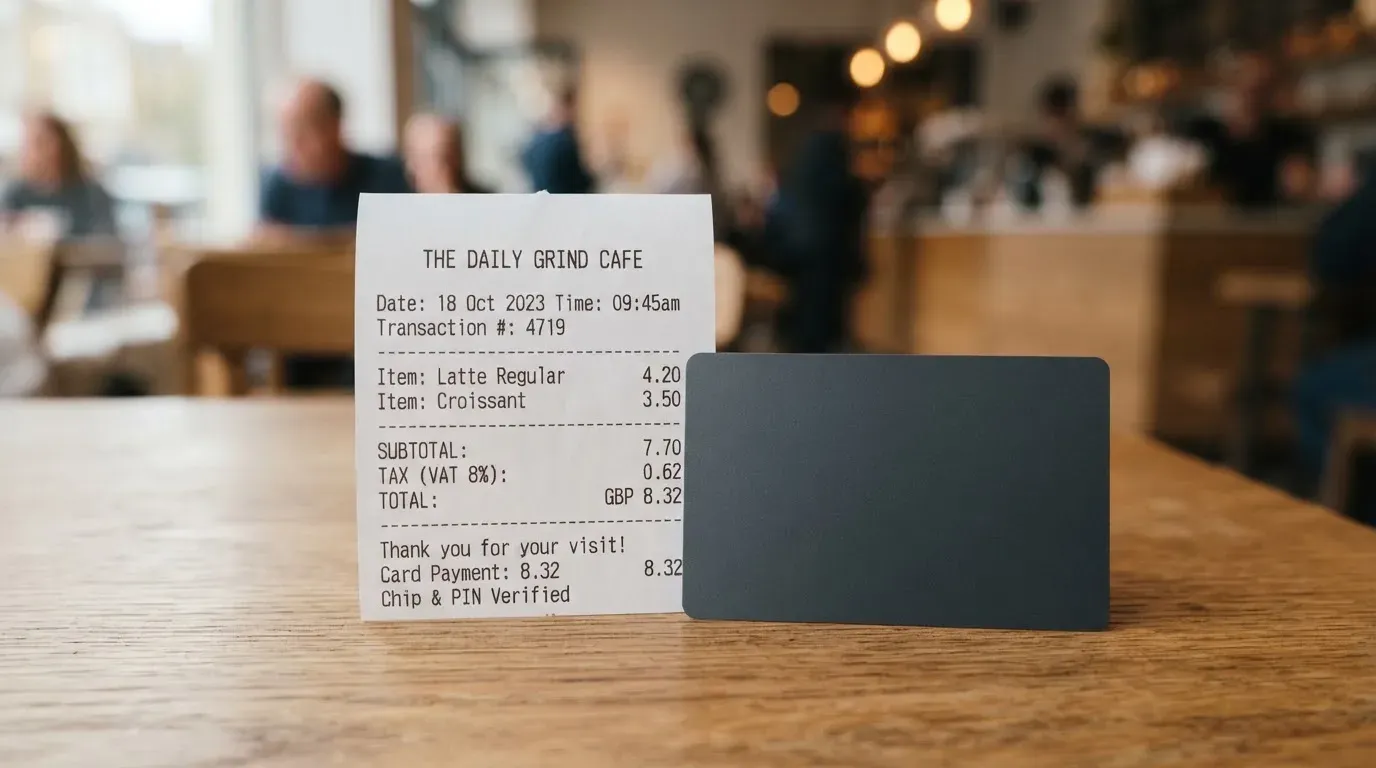
Here is where the card’s pages and the outside world disagree, and I would rather show you both than pick the friendlier one.
| Fee or limit | What the card’s pages say |
|---|---|
| Universal A Pro issuance | 5,000 ₽ list, 2,190 ₽ with a promo code |
| Subscriptions issuance | 4,990 ₽ list, 1,290 ₽ with a promo code |
| Universal issuance | 4,990 ₽ list, 2,490 ₽ with a promo code |
| PREMIUM issuance | 4,990 ₽ |
| Monthly maintenance | $0 (the page also shows issuance as “0 ₽”) |
| Top-up fee | 0$ on Subscriptions and Universal |
| Purchase fee | 0.8$ on Subscriptions, 0$ on Universal |
| ATM / cash withdrawal | Not available — the virtual card does not provide it |
| Minimum top-up | $10 |
| Maximum top-up per transaction | $10,000 |
| Maximum single operation | $15,000 |
| Non-USD purchases | May involve conversion; rates and other fees shown before confirmation |
The internal inconsistency is already visible in that table: one page shows issuance as 0 ₽ while four other cards carry prices from 1,290 ₽ to 5,000 ₽. Maintenance at $0 with a paid issuance is a normal combination; issuance at both 0 ₽ and 5,000 ₽ is not.
Then there is the line I mark unofficial, and I want to be exact about what that means. Russian review blogs on dtf.ru, in 2025 and 2026, describe a purchase fee of “1 USD + 0.4%” and top-ups from 3.5%. These figures conflict with the official page. They are third-party descriptions, not confirmed by the card. I am not telling you they are wrong — I am telling you they exist, that they disagree with what the card says, and that a top-up costing 3.5% instead of 0$ changes the arithmetic of using this card entirely. Before you rely on either number, ask support which one applies to you and get the answer in writing.
Three everyday payments, to make the fees concrete:
- A $40 subscription bought on the Subscriptions card. Official purchase fee 0.8$, so 0.8$ on top of the price. Unofficial accounts would put it at 1 USD + 0.4%, that is 1.16$.
- A $25 lunch in a local currency, paid from a USD balance. A conversion applies, at a rate shown before you confirm. The official pages do not publish a conversion percentage, so I cannot tell you what this costs beyond the rate they display.
- A withdrawal from an ATM. Not possible. There is no cash-out, which also means a bad day on the road has no fallback.
Top up options
The route the card describes is plain: rubles by SBP from a Russian bank card, credited to your USD balance. No crypto is required for the card itself. The card page is explicit about that, and it is the reason many people look at this kind of card in the first place.
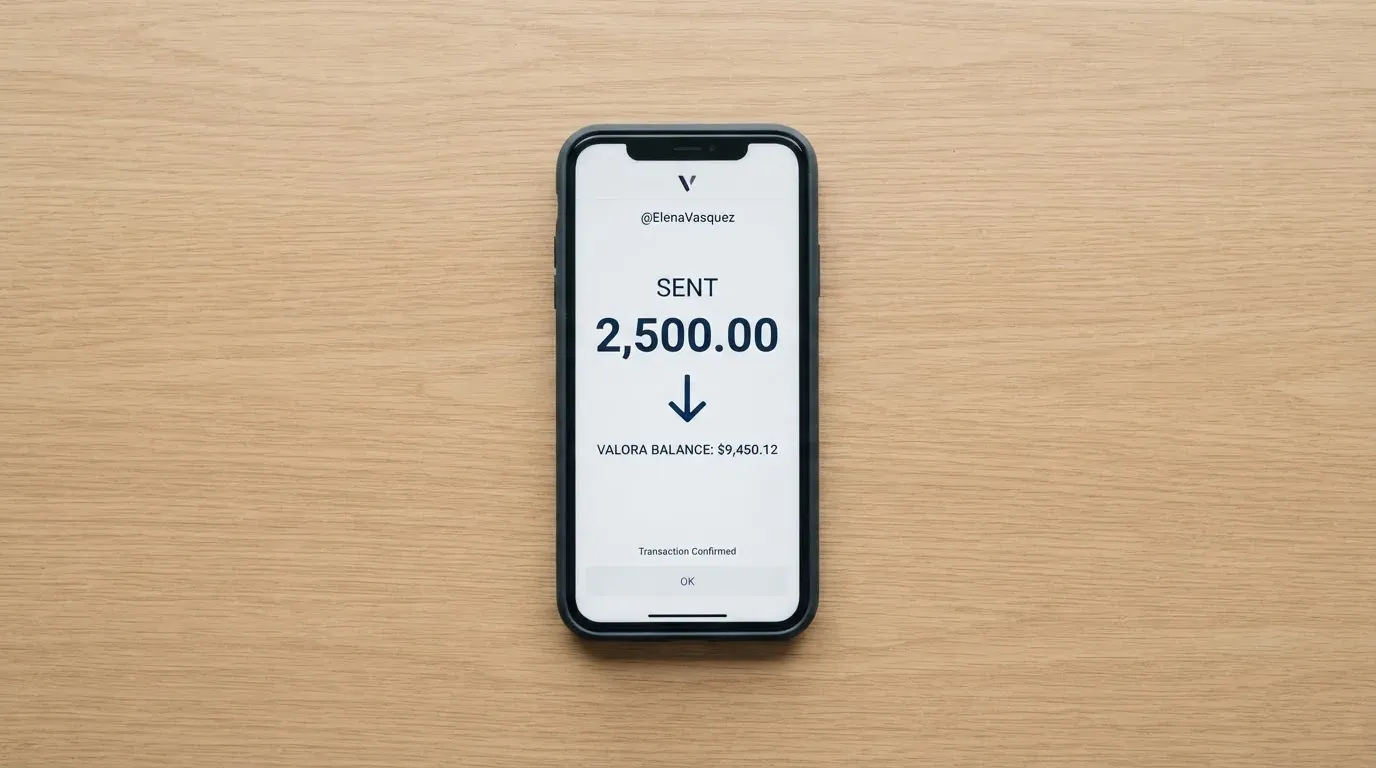
Limits on that route: minimum top-up $10, maximum $10,000 per top-up. The fee is stated as 0$ on Subscriptions and Universal — with the caveat above. Who pays the network fee on a transfer is not stated.
There is also a separate service called “Withdraw crypto to card”, and its terms are not shown. Not shown is the important word. That is a route from crypto into a card balance, and I have no visibility into its conditions, its limits, or what it costs. If someone tells you that route is the cheap one, or the fast one, they are describing something the card does not describe.
Balance return and closure may carry a fee set by the tariff, with no amount published. The terms say the remaining balance is paid out after AML checks. No cash withdrawal from the card, which I have already said once and will not say again.
What I would do: fund the minimum first, $10, use the card for something small, and only then decide whether the money you would be comfortable topping up is money you would be comfortable losing. That is not fear of the product; it is arithmetic about who holds it.
Paying with it every day
Everyday use is the card’s genuine strength, and it is why it scores 5 out of 10 rather than lower. It is virtual only, issued in about 30 seconds, Visa or Mastercard, with Apple Pay and Google Pay supported — though support depends on the card, your device, your region and the issuer. Which merchant categories are blocked is not stated, which is the sort of gap that only shows up on the day you try to pay for something.
No cashback and no loyalty programme is described. The card’s pages mention promo codes only, and promo codes are not a reward scheme — they are a discount on the price you pay to start. Treat the 2,190 ₽ and 1,290 ₽ figures as discounts, not as returns.
The service is web-based. No App Store or Google Play rating was found, so there is no public score of the software to look at, and if you rely on the app for your daily spending, that is a thin support base.
Refunds and chargebacks are handled by the card providers, not by A Pro. Your written claim goes to support, the operator answers within 30 calendar days, and then it is court or arbitration. Confirmed exchanges are final. Thirty days is not a fast answer, and arbitration in another jurisdiction is a serious thing to start; both are reasons to prefer small balances.
What can go wrong
Here is the part I would want a friend to read twice.
The official record is clean: no official incidents were found. The user record is not. On partnerkin.com the header shows 29 reviews with an average of about 7.8/10 across visible scores, read on 2026-10-21. The themes in those reports: a stalled refund with contradictory support on 9 June 2026, an alleged scam through an exchange operator on 2 May 2026, and holds on withdrawal verification in April and November 2025. Russian press on dtf.ru notes the association between the name and “scam” searches. These are user reports, not findings; no Trustpilot page was found. But if you are reading a review to decide where to put your money, the pattern matters more than the count: the complaints are about money coming back, and about support saying one thing and doing another.
Underneath the complaints sits a structural fact. CRYPTOBRIDGE, CORP., in Panama, is responsible for the crypto side only. The cards are issued through golden-card.ru by third-party providers, and Aifory Pro states it is not a bank or a card issuer. Licences are not stated. The card page lists Singapore as the issuing country. So when something goes wrong, you may find yourself dealing with an operator that is not the issuer, an issuer that is not the operator, and a network in between. Custody is not stated. Whether cards support a freeze or 2FA is not stated. The terms do say the operator may block accounts and freeze funds on AML and sanction grounds — so freezing is within the design, not an accident.
Support is at [email protected], Telegram @AiforyPro_Tech_support, phone +7 (918) 716 07 60, and a contact form. The site and support are in Russian. Hours are not stated.
To be clear about what this is not: none of this means the card is unsafe, and I am not promising anything about your funds either way. It means the questions you would ask a bank — who holds the money, under what licence, what happens if they stop, how do I get it back — do not have published answers here. Weigh that yourself.
What to take instead
Three alternatives came up in my research, all with higher marks. None of them is a bank account either, but each has something A Pro does not: a stated licence, a stated country, or a stated fee.
| A Pro | CardFlow | HyperCard | Card.fi | |
|---|---|---|---|---|
| Score | 3.6 / 10 | 4.9 / 10 | 4.7 / 10 | 6.6 / 10 |
| Who it is for | Clients from Russia | Aimed at Nigeria, “Nigerians and global users” | No country list stated | Ships to “200+ countries”; no service to sanctioned jurisdictions |
| Card | Virtual Visa or Mastercard, about 30 seconds | Virtual USD Mastercard, about 3 minutes | Prepaid, network not stated | Virtual and physical, Classic and Premium, plus metal |
| Issuance | 1,290–5,000 ₽ depending on card | “Creating a virtual card is completely free” | Not stated | $49 Virtual Classic, $249 Virtual Premium |
| Top-up | Rubles by SBP; crypto not needed for the card | BTC, USDT, ETH or Naira transfer | Crypto deposit in the app | 32 coins across 5 networks |
| Fees | 0$ claimed, 3.5% claimed by third parties | Not stated | Not stated | Top-up 1.5% + $1.00 Classic, 1% Premium; FX 3.5% / 2.5% |
| Rewards | None described | Not stated | Not stated | Cashback 0.8%–2% depending on tier |
CardFlow is aimed squarely at Nigeria and positions itself there, with free virtual card creation and a three-minute setup, which tells you who it was built for — and it is not built for you unless that is your country.
HyperCard describes acceptance in more than 176 countries, which is a statement about where the card is accepted rather than who can get it; no country list is stated. It works on deposit rather than top-up, converting crypto to USD or EUR.
Card.fi is the one that publishes the most. It states that cards ship to 200+ countries and bars residents of, or orders from, sanctioned jurisdictions. Its terms name top-up and FX fees precisely — 1.5% + $1.00 for Classic top-ups and 3.5% FX, better rates on Premium — and it shows the conversion fee before each top-up. It supports 32 coins across 5 networks including Ethereum, Base, BNB Chain, Solana and Kaanch, with a separate deposit address per card and conversion at market rate on arrival; sending on the wrong chain risks permanent loss. Its cashback is real and stated: 0.8% on Classic capped at 10 USDT a month, 1% on Premium, 1.2% or 2% on Metal with caps, plus a headline 10% at coffee shops capped at 10 USDT a month, and interest “up to 18%” on Metal balances, variable. It is issued under licence from the relevant card schemes, though Visa and Mastercard are not named.
That last point is where the comparison lands. Card.fi’s fees are worse than A Pro’s claimed ones and better than its unofficial ones. You are trading an unknown for a known, and for many people that is the right trade.
Who I would recommend it to
To a Russian client who needs a USD virtual card this week, is paying small amounts abroad online or in shops, is topping up in rubles through SBP, and who treats the balance as spending money rather than savings. To someone who has already compared a named issuer with a named licence against an unnamed one, and decided that speed and convenience are worth more to them than counterparty clarity.
I would not recommend it as a place to keep money for a week, let alone a year. I would not recommend it for cash, obviously — there is none. I would not recommend it for anyone whose fallback if this card fails is not a working second method of payment.
And I would ask everyone one question before funding it: which of the two fee figures applies to me? If support cannot answer that clearly, in writing, the rest of this page does not change.
Frequently asked questions
What is A Pro card?
It is a virtual payment card — no plastic, details issued in about 30 seconds — with a balance in US dollars, offered by a platform whose operator is CRYPTOBRIDGE, CORP. of Panama, which states it is not a bank or card issuer. Cards are issued through golden-card.ru by third-party providers. Visa and Mastercard are offered, and it is a debit card with no credit limit.
How does A Pro card work?
You register by email, pick a verification level from Basic to Ultra, and top up in rubles through SBP from a Russian bank card, which is credited to your USD balance. You then pay online or in shops with the card or through Apple Pay or Google Pay. The card spends only the balance you have loaded, so it cannot overdraw.
Is A Pro a bank?
No, and the card’s own materials say so. Aifory Pro states it is not a bank or a card issuer; CRYPTOBRIDGE, CORP. is responsible for the crypto side only, and licences are not stated. Singapore is listed as the issuing country. That is a card programme operated by non-bank entities, which is a different thing from a bank account.
Who can get the card?
The card page says clients from Russia, and that cards work in 190 countries with the US and Turkey named, with no list of blocked countries and no service to sanctioned persons. Terms require you to confirm that using it does not break the law of your country of citizenship or residence — a question only you can answer.
Does A Pro require KYC?
It depends on the level. Basic needs no document check, Advanced needs an ID document, Professional adds proof of residential address, Ultra adds a bank statement or property documents. Review can take up to 30 business days and may be extended, and checks can include a selfie with the document and a video.
How much does A Pro card cost?
Issuance is 5,000 ₽ for Universal A Pro, 4,990 ₽ for Subscriptions, Universal and PREMIUM, with promo codes bringing some to 2,190 ₽ and 1,290 ₽. Maintenance and top-up are stated as 0$, purchase is 0.8$ on Subscriptions. Russian review blogs instead describe “1 USD + 0.4%” per purchase and top-ups from 3.5% — unofficial, and in conflict with the card’s page.
How do I top up, and what does it cost?
In rubles by SBP from a Russian bank card, credited to your USD balance, with no crypto needed for the card itself. Minimum $10, maximum $10,000 per top-up. The fee is stated as 0$ on Subscriptions and Universal, though third-party reports say from 3.5%. Who pays the network fee on a transfer is not stated.
Where can I use A Pro card?
The card’s pages say the cards work in 190 countries, naming the United States and Turkey. Support also says Apple Pay and Google Pay work, depending on card, device, region and issuer. There is no ATM and no cash withdrawal from the virtual card at all, so “anywhere” really means card acceptance.
Is A Pro card safe to use?
There is no published answer to the question that matters most: custody is not stated, freeze and 2FA on cards are not stated, and licences are not stated. No official incidents were found, but partnerkin.com shows about 29 reviews, averaging about 7.8/10, with complaints about stalled refunds, support contradictions and withdrawal holds. Terms do allow the operator to freeze funds on AML and sanctions grounds.
How do refunds and chargebacks work?
Refunds and chargebacks are handled by the card providers, not by A Pro. You make a written claim to support, the operator answers within 30 calendar days, and after that the route is court or arbitration. Confirmed exchanges are final. If a disputed payment is money you need back quickly, this is a slow process — which is one more reason to keep small balances on the card.
Top virtual cards by score – cryptocardtop
Content created by the «cryptocardtop» team